In the world of writing, there are several terms that are tossed around all the time. Story structure, narrative structure, and narrative arc are a few of them. For me, having no formal training in the field and simply enjoying writing (though I am now learning how to write better), it was difficult to internalize some of these concepts.
First of all, this happens because I used to see these three terms in particular being often used as synonyms. However, if they have different names, they must mean different things, right? Right!
Hence the importance I found in making this post about the differences between them. Both for myself to review, and for other people who might have the same questions I had.
Narrative Structure
Narrative structure is the way the story is told and organized in time. Simply that. In other words, a choice made by the author on how to present the events of their story.
Here, the author can choose to write their story in a way that is:
- Linear: when the story is told chronologically from beginning to end.
Example: practically every story on the face of the Earth.
Why it might be the best way to tell your story: This is a very common way to present the events of a story because it is quite simple for the reader to follow.
- Nonlinear: when the story is told out of order, meaning scenes from the beginning, middle, and end are mixed together, and the timeline may seem uncertain.
Example: In 500 Days of Summer, the narrator randomly jumps between the days of the couple’s relationship. On Day 1 they are in love, then we jump to Day 488 when they break up, and next we go back to Day 21, alternating between phases of euphoria and disappointment.

Why it might be the best way to tell your story: This format can be interesting for building suspense for the reader and keeping them hooked, as they want to figure out what happened/what will happen next.
- Parallel: two or more stories are told at the same time, even if they didn’t happen at the same time. Common in stories with multiple main characters and multiple points of view.
Example: In the movie Dunkirk, there are three different narrative lines:
- The Mole: Young soldiers trying to escape on the beach (lasts one week)
- The Sea: Civilians sailing on a private boat for the rescue (lasts one day)
- The Air: Fighter pilots in aerial combat (lasts one hour)
The movie constantly alternates between these three perspectives, even though they happen at different paces and durations.
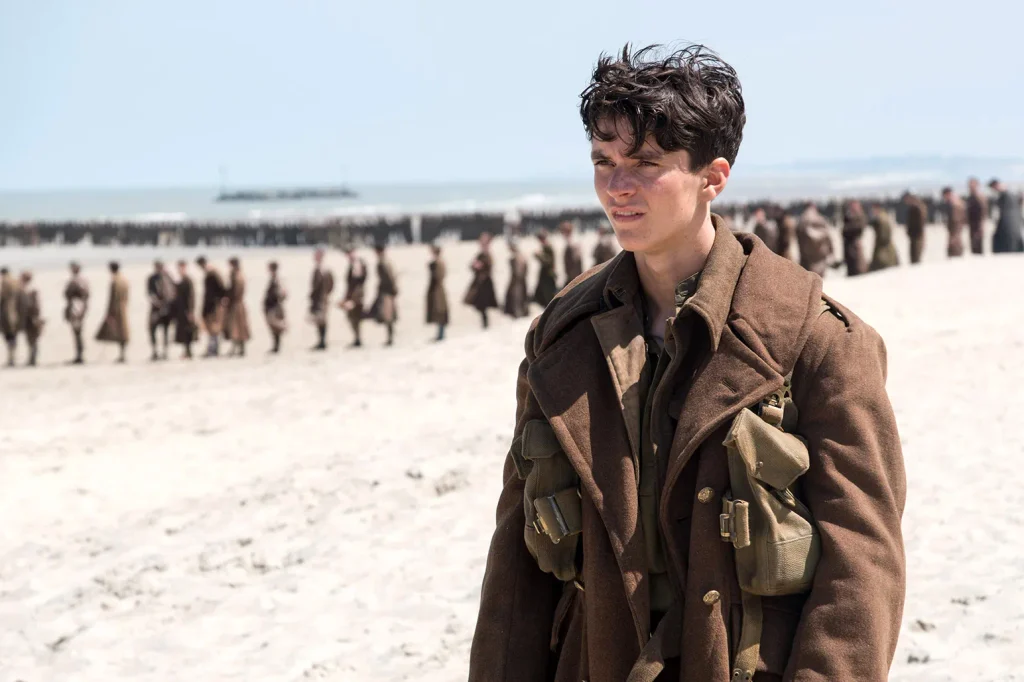
Why it might be the best way to tell your story: This narrative structure is common in stories with multiple main characters. In addition, the asynchronous nature creates a continuous sense of urgency and suspense, causing the climax of all the stories to happen simultaneously, even if they took different amounts of time to happen in reality.
NOTE: it is not necessary for them to have different paces and durations. What makes a narrative structure parallel is the fact that stories are being told in parallel. On the other hand, the simple fact of having two points of view in a book, for example, does not mean it is parallel (it can be a linear dual POV).
I will use an example to better explain. If in the first chapter we have a girl telling about her first date with a guy, and in the second chapter we read what happened after the date from the guy’s perspective, this structure is linear (dual POV), because time has moved forward. Nothing was described in parallel. However, if in the second chapter the guy shows his perspective of how the first date went, then we are looking at a parallel narrative structure.
- Episodic: small individual stories with a beginning, middle, and end, but which turn out to be connected in some way.
Example: In the TV show Supernatural, especially in the first season, in every episode the Winchester brothers fight a supernatural creature, while there is still the overall season plot, which is the search for their father and revenge against the creature that killed their mother.
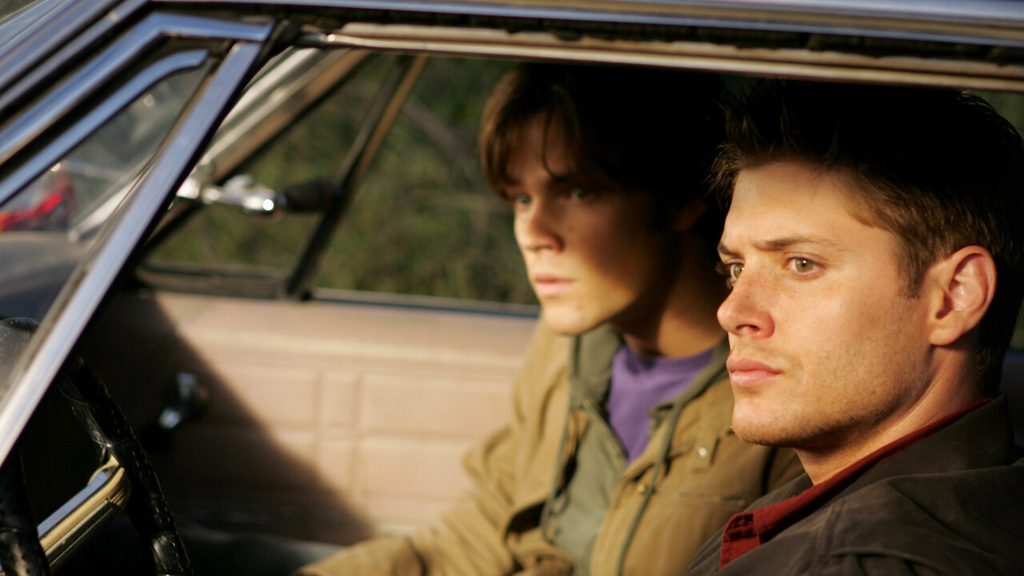
Why it might be the best way to tell your story: This type of narrative structure gives you creative freedom to experiment with different conflicts without touching the main story, and planning can be simpler since each chapter is focused on a short arc.
This can be the first step in planning a story (or the last): identifying its beginning, middle, and end, and then deciding in what order to present them. For example, in a romance, the guy meets the girl, they get closer and grow apart, but in the end, they live happily ever after (linear).
OR, they are in love, remember how they met, return to the present for contrast, remember when they were upset with each other and considered the relationship lost, ending with happily ever after (nonlinear).
OR, several couples tell their story, with relationships lasting two years, one month, thirty years, thirteen years, and fifty years, all starting from the beginning and developing toward happily ever after (parallel).
OR, the guy meets the girl, and in each chapter they have a different adventure, catching monsters while developing feelings for each other, ending, as always, happily ever after (episodic).
Story Structure =/= Narrative Arc
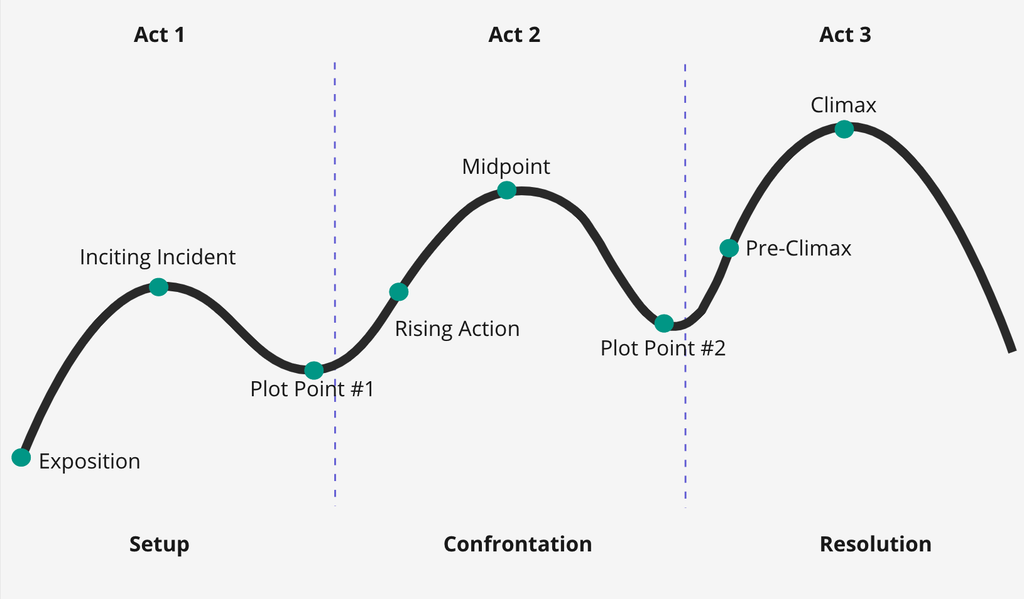
Here lies my biggest difficulty when learning these two concepts: understanding the difference between story structure and narrative arc. These two have very similar ways of being presented, often represented by a line that goes up, reaches a high midpoint, and later goes back down to the resolution of the story. However, I feel I found a good way to distinguish them, defining them as follows:
- Story Structure is about planning the specific and required events of the story. These specific events are called plot events (specific actions, turning points, and happenings that drive a story forward).
- Narrative Arc, on the other hand, is the line representing the intensity of tension, the pacing, and the internal transformation of the characters from the beginning to the end of the story.
1. Story Structure
To visualize what Story Structure is, we can think of a map where we pin all the destinations our character must visit, planning when those visits will happen.
To plan a Story Structure, the central question should be: what destinations must my character visit, and in what specific order should those visits happen?
Examples: Three-act structure (the classic one), Freytag’s Pyramid (the tragic one), Dan Harmon’s Story Circle (the cartoon one). I will explore these three examples in the next post.
2. Narrative Arc
Going back to our analogy, the narrative arc is the emotional transformation the character undergoes throughout the journey through those destinations, ultimately becoming a different person at the end.
To plan a Narrative Arc, the central question should be: how do the tension and the characters change from beginning to end?
The narrative arc has the shape of an arc (hence the name!), generally consisting of:
- Exposition: introduction of setting, characters, problems
- Rising action: characters struggling and fighting the problems
- Climax: tensest moment of the story; characters face a crisis that controls the rest of the plot
- Falling action: moves the story towards the ending
- Resolution: final outcome
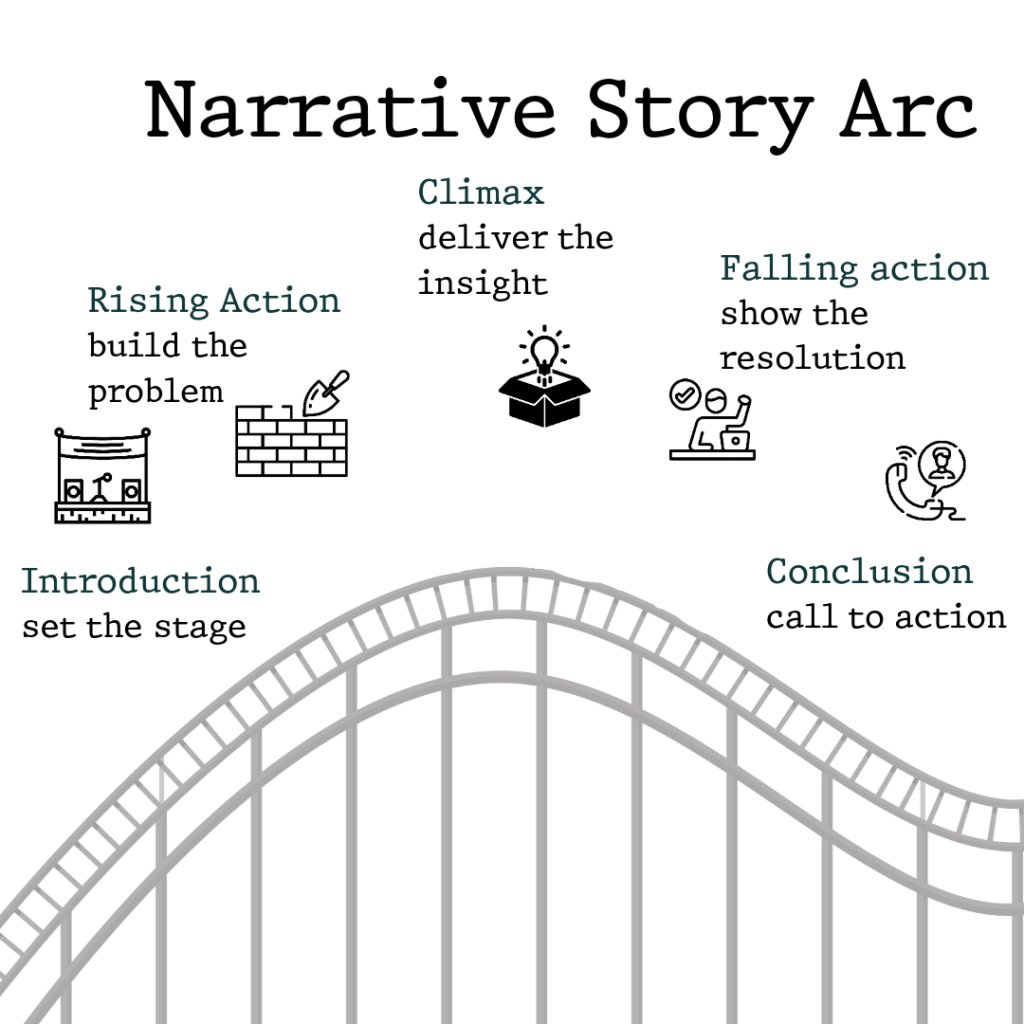
To write my first short story, and in order to structure what I wanted to write, I only relied on the narrative arc as it is explained here. Click here (Morning rush hour) to read that story. At the time, I didn’t yet know how to structure the story or which events I wanted to incorporate, and I simply wrote what came from my soul. After the research I present to you here, I realize that I could have developed the characters a bit more and made the story slightly more interesting if I had structured it according to story structure and narrative structure. Even with the narrative arc, there were things that I didn’t consider.
There are two types of narrative arcs: the tension arc (how the story’s tension begins and ends—usually starting calm, building up to a peak of tension, and finally ending in relief and resolution) and the character arc (how the protagonist begins the story and ends it—they might start naive, becoming increasingly aware of the world around them as certain events unfold, until they end up wise).
In summary, you use story structure to know which scenes you want to include and in what order so that the plot has direction. And you use the narrative arc to ensure those scenes are building tension and transforming the character in some way, so they don’t feel bland.
I hope that, with this explanation, these terms are clearer and help you plan your next stories. So that this post doesn’t get too long, in the next one I will walk through a few more examples of Story Structure. See you next week!
Sources:
Reedsy
Youtube
Leave a Reply